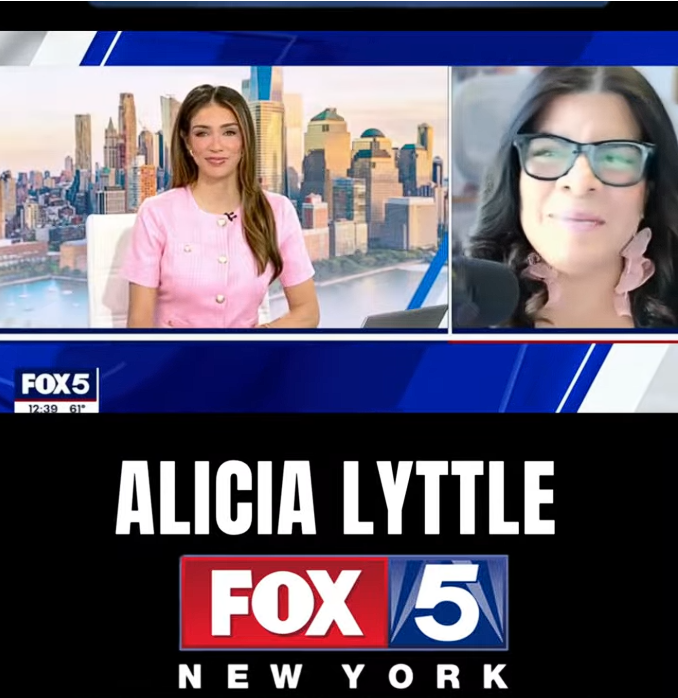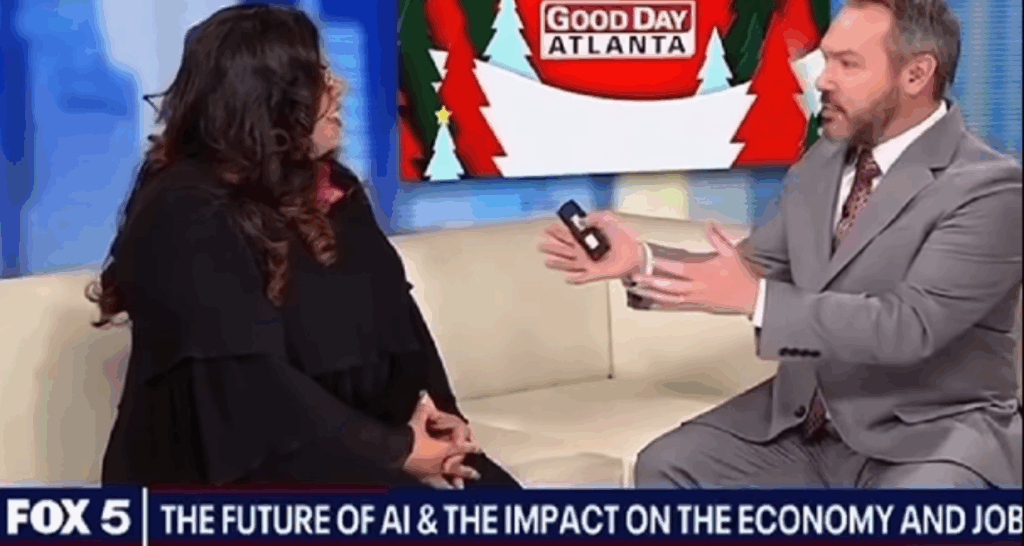
A Fox 5 New York segment cuts through the graduation season noise with a message every job seeker — especially the class of 2025 — needs to hear: AI literacy 2025 employers are demanding is reshaping who gets hired.
The timing could not be more pointed. As millions of college graduates crossed stages this spring and entered a job market reshaped by artificial intelligence, the question circulating among economists, hiring managers, and workforce analysts is no longer hypothetical: does a four-year degree still open the doors it once did?
The numbers suggest a shift is already underway. Entry-level job postings that college graduates have traditionally targeted are down 35%. Meanwhile, entry-level positions listing AI as a required skill have tripled in the past year alone. The pattern mirrors what researchers have documented across the broader workforce — this is not simply about job loss. It is about a growing gap between what candidates offer and what employers now require.
During a recent appearance on Fox 5 New York, entrepreneur and AI expert Alicia Lyttle joined anchor Bianca to address the anxiety many new graduates are feeling — and to reframe the conversation entirely.
The Gap Between Credentials and Capability
Lyttle was direct about what hiring managers are seeing.
“The job postings that college graduates are used to applying for are down 35 percent. But the good news is that entry-level jobs with AI listed as one of the requirements is up three times what it was last year.”
That divergence is not coincidental. Companies are restructuring around human-AI collaboration, and they are looking for candidates who can demonstrate fluency with the tools driving that transformation — not just academic credentials. Goldman Sachs data shows that unemployment among 20–30-year-olds in tech-exposed occupations has risen sharply, while STEM and AI-adjacent employment continues to grow. The divide is widening between those who have adapted and those who have not.
What AI Literacy Actually Looks Like
Lyttle was careful to define what she means — and what she does not mean — by AI literacy.
“I’m not just saying, oh, let me use ChatGPT like it’s Google. I’m talking about learning skills like vibe coding — what is it, how can you do it — and then adding that to your resume.”
Vibe coding — the ability to build functional applications, websites, and tools using AI with minimal traditional programming knowledge — represents one of the clearest examples of a skill that did not exist in job descriptions three years ago and is now actively sought by employers. Lyttle’s message to graduates is straightforward: do not just consume AI. Build something with it. Then show it.
PwC’s 2025 Global AI Jobs Barometer found that workers with demonstrable AI skills earn a 43% wage premium compared to peers without them. The case for investing in those skills is no longer speculative.
Where to Start
When asked how graduates and career changers should begin, Lyttle offered a clear framework.
“Find somebody that you can follow on social media that’s constantly teaching AI, that you’re learning from and that you connect with. And then find a course — there are a lot of free classes out there right now. Make sure those classes teach hands-on experience. Don’t just watch. Get into it and do something.”
The distinction between passive and active learning matters here. Watching tutorials builds familiarity. Building something — even a simple website or automation — builds intuition, problem-solving ability, and portfolio evidence that hiring managers can actually evaluate. McKinsey research indicates that employees hired based on demonstrated skills rather than credentials see a 30% productivity boost in their first six months. Employers are beginning to reflect that in how they hire.
The Jobs Being Replaced — and the Ones Taking Their Place
Lyttle did not sidestep the harder part of the conversation.
“We’re seeing jobs like bookkeeping, or anything that is a repetitive task, customer service — those jobs are being replaced by AI. Companies are using AI to do that now, and they’re not even putting those jobs on Indeed and LinkedIn anymore.”
In the first seven months of 2025, over 77,000 tech workers lost positions directly attributed to AI-driven restructuring. The roles most vulnerable share a common profile: task-repetitive, rules-based work that AI handles with speed and consistency that no human can match at scale.
But the same transformation is creating an entirely new category of roles. AI strategist. AI consultant. AI engineer. AI researcher. These positions are not niche. They are growing rapidly, and they command salaries 35 to 45 percent higher than comparable non-AI roles.
“Look for the new jobs that have just blossomed with this AI revolution and see how you could step into one of those high-paying jobs,” Lyttle said. “Which is why it’s important to keep learning this stuff.”
The AI Literacy 2025 Window for Advantage Is Open — For Now
The professionals and graduates who move now are building a compounding advantage. AI literacy is not a credential that requires years to obtain. It is a practice — one that begins with a free tool, a free course, and a decision to engage rather than wait.
The job market is not punishing ambition. It is punishing inertia.
Follow Alicia on Instagram and YouTube at @AliciaLyttle for ongoing AI education and resources.